How to Ride a Tandem Bike: Essential Tips for Synchronized Cycling
Riding a tandem bike is fun. Two people share the joy of cycling as a team. To ride well, you must learn how the bike works. You need to talk to each other and pedal at the same time. This guide helps you choose the right bike. We will teach you how to ride and care for your bike. Modern bikes use a chain system to connect riders.
Choosing the Right Tandem Bike
Choose the best bike by looking at types and sizes. Pick helpful features too. These steps help you find a bike that fits your style.
Understanding Tandem Bike Types
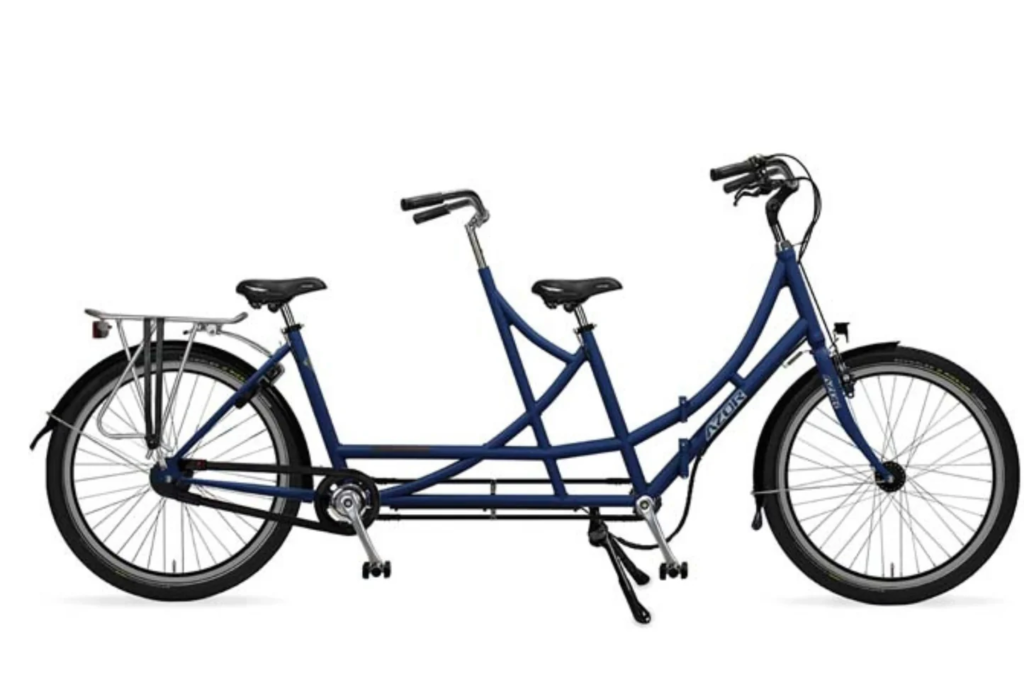
Tandem bikes come in several types to suit different riding preferences. Road tandems are built for speed on paved surfaces. They have drop handlebars and thin tires for less resistance.
Mountain tandems have sturdy frames and wide tires. These bikes handle rough trails and off-road terrain well.
Cruiser bikes are great for easy rides. They have soft seats and tall bars.
Touring tandems are made for long trips. They have strong frames to carry gear and wide tires for stability.
Considering Size and Fit
Tandem bike size is crucial for comfort and control. The front rider (captain) needs the right frame size for their height. The back rider (stoker) needs enough space between the seats.
Parts you can adjust help the bike fit you. Look for:
- Adjustable stoker handlebars
- Telescoping seat posts
- Movable bottom brackets
Frame size affects handling. A bike that’s too big or small can be hard to control.
Selecting Features and Accessories
Good features make your ride better. You must have strong wheels. They hold two people and heavy bags.
Good brakes are vital. Disc brakes offer strong stopping power. Rim brakes work well too, but may wear out faster.
Useful accessories include:
- Water bottle cages
- Rack for carrying bags
- Fenders for wet rides
A rear-view mirror for the front rider
Gears matter a lot. A wide range of gears helps you climb hills and ride on dirt.
Learn How a Tandem Bike Works
Tandem bikes are different from solo bikes. They have special parts so two people can ride safely. Let’s look at the parts that make this possible.
Braking Systems
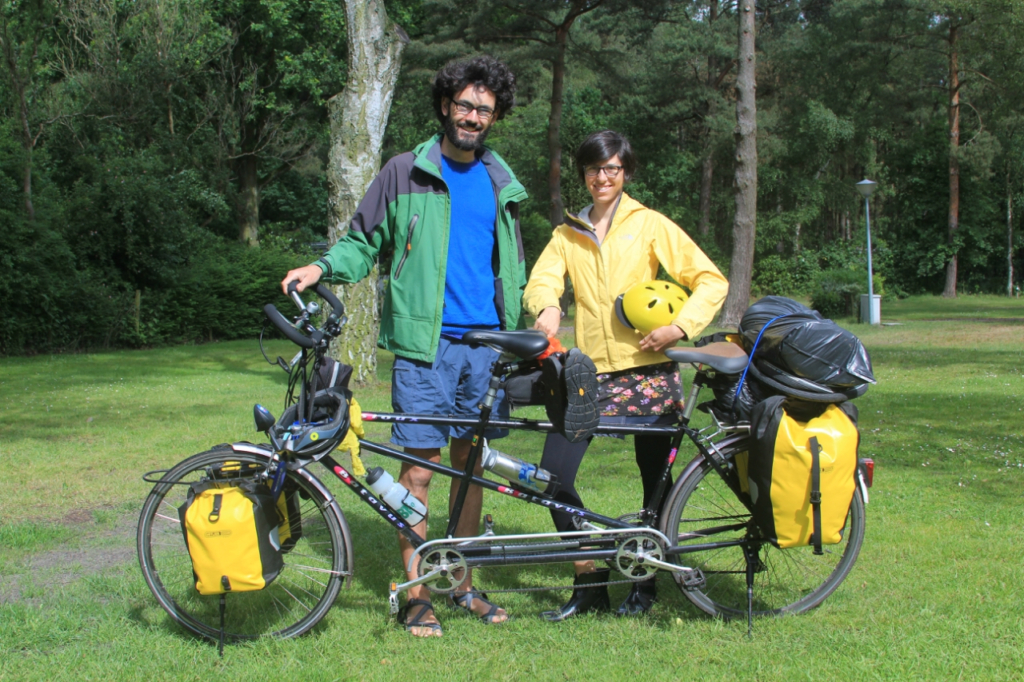
Tandem bikes need strong brakes to stop the extra weight of two riders. Most tandems use disc brakes for better stopping power. The captain controls both front and rear brakes.
Some tandems have a drag brake. This helps slow the bike on long downhills. It keeps the main brakes from overheating.
Tandem brakes need regular checks and adjustments. This keeps them working well for safety. Brake pads wear faster on tandems, so they need replacing more often.
Gear Shifting Mechanics
Tandems often have more gears than single bikes. This helps with the extra weight and different rider strengths. Most tandems use a chain-driven system for both riders.
The captain controls the gear shifting. Some tandems have separate gears for each rider. This lets them pedal at different speeds.
Shifting on a tandem needs good timing. The captain should warn the stoker before changing gears. This helps keep pedaling smooth and avoids chain problems.
Pedaling and Balance Coordination
Tandem riding needs teamwork. The captain steers and balances the bike. The stoker provides extra power. Both riders must pedal in sync for smooth riding.
Starting and stopping need practice. The captain gets on first and holds the bike steady. The stoker then climbs on. When stopping, the stoker gets off first.
Communication is key for balance. The captain should tell the stoker about turns, bumps, and stops. This helps the stoker adjust their weight and pedaling.
Tandem riding takes practice. With time, teams learn to work together smoothly. This makes for fun and efficient cycling.
Pre-Ride Safety Checks
Before hopping on a tandem bike, it’s crucial to perform safety checks. These ensure a smooth, secure ride for both cyclists. Let’s look at key areas to inspect.
Inspecting the Bike Condition
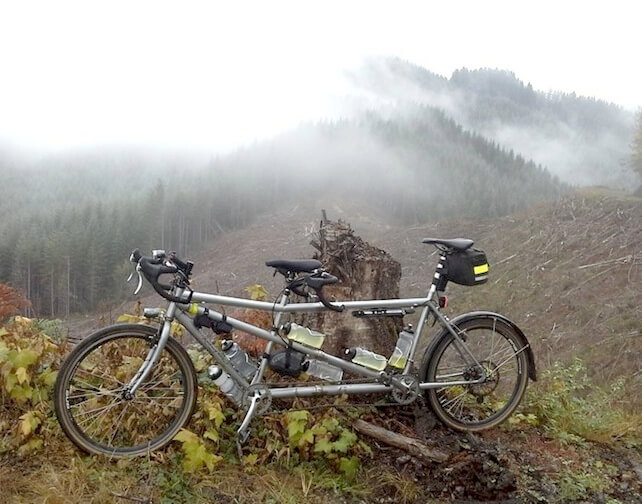
Start with a visual check of the entire tandem bike. Look for any loose parts, cracks, or damage. Pay close attention to the frame, especially where it connects.
Check the chains for proper tension and lubrication. Both the main drive chain and the timing chain need inspection. Make sure the timing chain isn’t too slack.
Check that the pedals move together. Both sets should point the same way. This helps you balance and pedal with ease.
Checking Tire Pressure and Brakes
Correct tire pressure is vital for a safe, comfortable ride. Use a pressure gauge to check both tires. Follow the recommended pressure listed on the tire sidewall.
Test the brakes thoroughly. Squeeze each brake lever to ensure they engage smoothly. Listen for any unusual sounds. Check that brake pads make full contact with the rims.
Check the disc brakes. Make sure the pads do not touch the wheel as it spins. Good brakes help you slow down and stop safely.
Adjusting Seats and Handlebars
Both riders need properly adjusted seats. The captain’s seat height should allow a slight bend in the knee when the pedal is at its lowest point.
For the stoker, comfort is key. Their seat should be at a height that lets them pedal easily without straining. Check that both seatposts are securely fastened.
Set the bars to fit each rider’s height. The front rider needs to steer and reach the brakes. The back rider uses bars for balance and comfort.
Check that all bolts on the seats and bars are tight. This stops parts from moving while you ride.
Riding Techniques
Riding a tandem takes skill and teamwork. These tips will keep both riders safe and happy.
Mounting and Dismounting
Mounting a tandem bike starts with the captain. They should straddle the bike, keeping both feet on the ground. The captain holds the brakes to keep the bike steady.
Next, the stoker climbs onto the rear seat. They can use a step stool if needed. Once seated, the stoker places their feet on the pedals.
To get off, do the steps in reverse. The back rider gets off first. Then the front rider gets off. Talk to each other while you do this.
Practice getting on and off in a safe spot. This builds your trust and skill.
Communication Between Riders
Talking is the most important part of tandem riding. Pick words and signs to use before you start.
Common signals include:
- “Ready” – Both riders are set to start
- “Shifting” – Changing gears
“Stopping” – Tell your partner you will brake.
“Bump” – Tell them a bump is coming.
The captain should announce turns, stops, and gear changes. The stoker can alert the captain to hazards from behind.
Use your hands to signal too. The front rider uses these to talk to cars.
Talk to each other often while you ride. This keeps you both comfy and in sync.
Navigating Turns and Obstacles
Turning on a tandem bike requires teamwork. The captain steers, while both riders lean into the turn. Start with gentle curves and progress to sharper turns.
For tight turns:
- Reduce speed
- Captain announces the turn
- Both riders lean together
- Exit the turn smoothly
You must talk when you see a problem. The front rider should call out hazards early. This gives the back rider time to get ready.
For bumps or potholes:
- Captain announces “Bump ahead”
- Both riders lift slightly off the saddle
Keep your pedaling smooth as you go over bumps.
Practice these techniques in a safe area. This builds trust and improves your tandem riding skills.
Practicing as a Team
Tandem riding needs good teamwork. Both people must work together to have a great ride.
Establishing Synchronized Pedaling
Pedaling together is the key to success. The front rider starts first. The back rider follows. Try to pedal at the same speed. This stops the bike from jerking.
To practice, start in a safe, open area. The captain calls out when to start and stop pedaling. Use verbal cues like “pedaling” or “coasting” to stay in sync. Pay attention to each other’s movements and try to match them.
As you get better, learn to glide and pedal smoothly. This makes your ride easy and nice.
Building Endurance Together
Tandem bikes are harder to ride than solo bikes. Both people need to get fit for long trips. Start with short rides and go further over time.
Set realistic goals as a team. Plan rides that challenge but don’t overwhelm you. Take breaks when needed and communicate about fatigue levels.
Other sports can help you get fit. Try swimming or running together. This builds your body and your teamwork.
Remember to stay hydrated and fueled during rides. Pack snacks and water for both riders.
Enhancing Maneuvering Skills
A tandem bike feels different. Practice turns and stops in a safe spot first.
The front rider must say when a turn is coming. The back rider should lean with the front rider to stay balanced.
Practice stopping fast. The front rider must warn the back rider before braking hard. Stay on your seats so you do not tip over.
Work on hill climbing and descending. On climbs, coordinate your efforts to maintain a steady pace. When going downhill, the captain should control speed while both riders stay relaxed and balanced.
With practice, you will ride better. You will have a safe and smooth trip together.
Maintaining Your Tandem Bike
Taking care of your bike keeps it safe. Clean it often and check for wear. This helps your bike last for a long time.
Regular Cleaning and Lubrication
Clean your tandem bike after each ride. Use a soft cloth to wipe down the frame and components. Pay extra attention to the chains, gears, and brakes.
Oil the chains every 100 miles. Use bike oil on each link. Wipe off the extra oil to keep it clean.
Clean and oil the bike parts every year. You might need special tools. A bike shop can help with this job.
Do not forget the pedals. Take them off now and then to clean and oil the threads.
Performing Periodic Safety Inspections
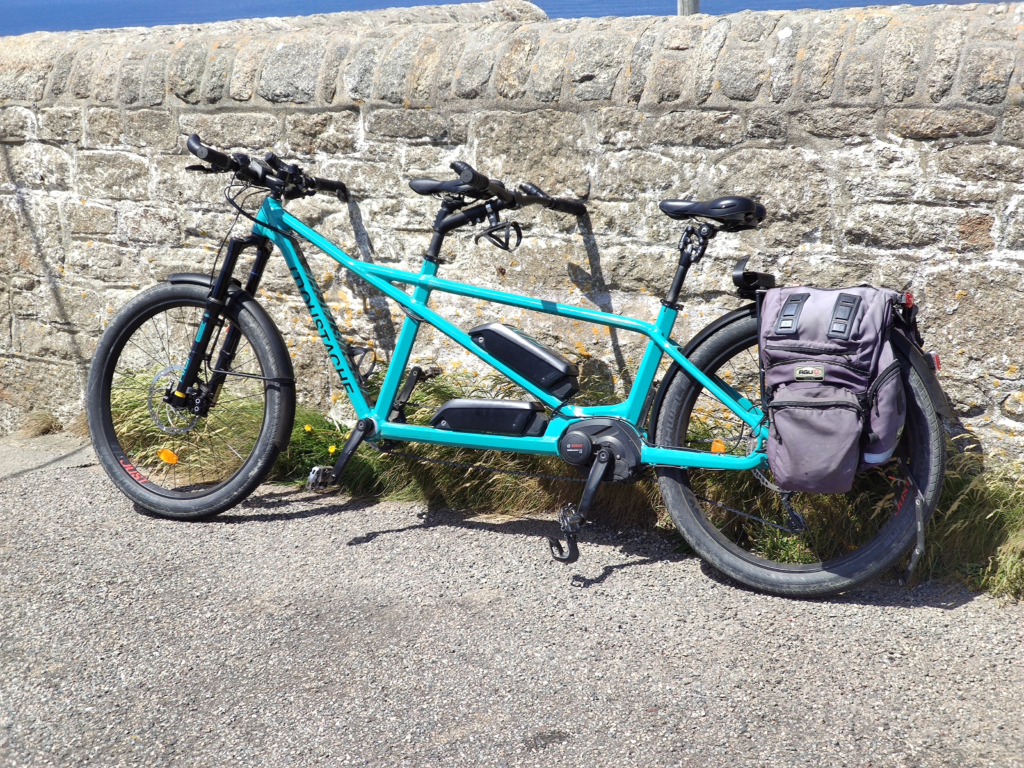
Check the air in your tires before ogni ride. Right air stops flats and makes steering easy.
Inspect the brake pads monthly for wear. Replace them when the grooves are no longer visible.
Test your brakes often. Both sets should work well to stop the bike.
Examine the frame for cracks or damage. Pay special attention to weld points and high-stress areas.
Check that all bolts and quick-release skewers are tight. Loose components can cause accidents.
Inspect the wheels for true. Spin them and watch for wobbles. Adjust spoke tension if needed.
Understanding Wear and Tear
Tandem bikes handle more weight than solo bikes. This puts more stress on the parts.
Watch for accelerated wear on chains and cassettes. Replace these parts when they show signs of stretching or tooth wear.
Watch the pedal parts closely. They can wear out fast because you push on them hard.
Check the stoker’s handlebars and stem for play. These components bear extra stress from the rear rider’s movements.
Check the timing chains and special bolts more often.
Tires may wear out fast. The back tire wears out the fastest. Switch them to make them last longer.
FAQs on How to Ride a Tandem Bike
- How do I ensure proper fit on a tandem bike? Proper fit is crucial for comfort and control. The captain (front rider) should have a frame size that suits their height, while the stoker (rear rider) needs enough space between the seats. Look for adjustable components like handlebars and seat posts to enhance fit.
How do tandem bikes differ? There are many types. Road bikes are fast. Mountain bikes are for dirt. Cruisers are for fun. Touring bikes are for long trips. Each bike fits a certain way of riding.
What are some good words to use while riding? You must talk to stay safe. Use words like “Ready” to start or “Stopping” to brake. Use “Bump” for cracks in the road. Use hand signs for cars too.
How do we pedal together? To start, the front rider pedals first. The back rider follows. Use words to say when to start. Try to match each other’s speed to stay smooth.
How do I care for my bike? Clean it after you ride. Oil the chain every 100 miles. Check the tire air before you go. Look at the brakes once a month. Make sure all bolts are tight.
Riding a tandem bike is a great way to be with a friend. Pick the right bike and learn how it works. Talk and work together for a smooth ride. Teamwork is the most important part. You must turn and pedal together. With care and practice, your bike will last for years. Grab a partner and have fun on the road!
Read This: 200cc Bike Engine Kit: A Great Way to Build Your Own Motorized Bike.
{ “@context”: “https://schema.org”, “@type”: “FAQPage”, “mainEntity”: [ { “@type”: “Question”, “name”: “What are the common types of tandem bikes?”, “acceptedAnswer”: { “@type”: “Answer”, “text”: “Tandem bikes come in four types: road bikes for speed, mountain bikes for trails, cruisers for fun, and touring bikes for long trips.” } }, { “@type”: “Question”, “name”: “What does each rider do?”, “acceptedAnswer”: { “@type”: “Answer”, “text”: “The front rider steers and shifts gears. The back rider adds power and follows the front rider’s lead.” } }, { “@type”: “Question”, “name”: “Are tandem brakes special?”, “acceptedAnswer”: { “@type”: “Answer”, “text”: “Yes, they use strong disc brakes for two people. Some have a third brake to help on big hills.” } }, { “@type”: “Question”, “name”: “How do you start and stop?”, “acceptedAnswer”: { “@type”: “Answer”, “text”: “The front rider starts first while holding the bike. When stopping, the back rider gets off first to keep it steady.” } }, { “@type”: “Question”, “name”: “What should I check before a ride?”, “acceptedAnswer”: { “@type”: “Answer”, “text”: “Check for loose parts and tire air. Make sure the chain is tight and the pedals are lined up.” } } ] }